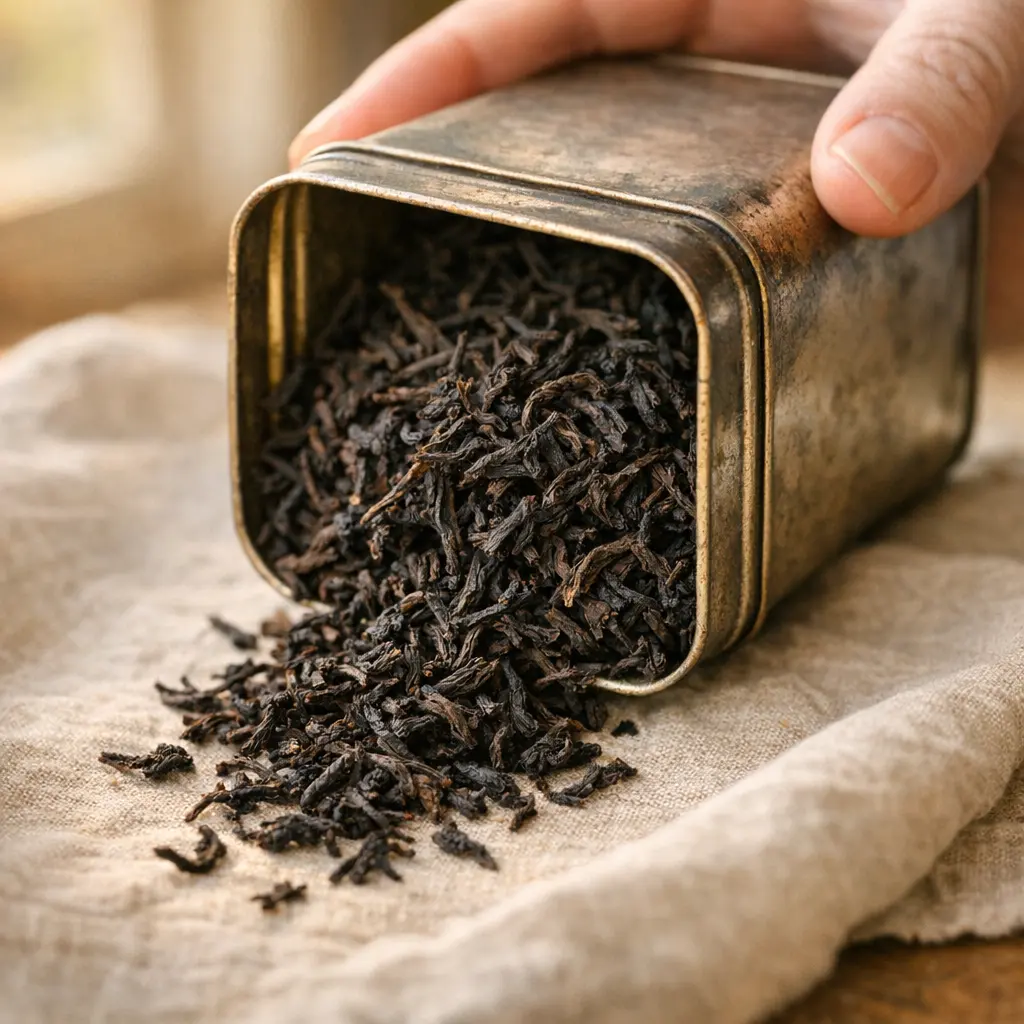
16 teas · 1 free in the app
Pu-erh Tea
Pu-erh is post-fermented tea from Yunnan, sold either raw (sheng, which ages for decades) or ripe (shou, fermented deliberately in months). It is brewed short and often: after a quick rinse, the median Western steep across these 16 teas is just 43 seconds, and the Gong Fu ladder runs twelve infusions.
 Pu-erh Tea at a glance
| Leaf | Water | Temperature | Time | Re-steeps | |
|---|---|---|---|---|---|
| Western | 2.5 g | 250 ml | 90°C / 195°F | 42.5 s | 4 |
| Gong Fu | 5 g | 100 ml | 90°C / 195°F | 10 s + | 11.5 |
Median values across all 16 teas on this page. Each tea's own page carries its exact numbers.
Raw, ripe, and why it ages
Pu-erh is post-fermented tea from Yunnan, and it is the only type in this library that is deliberately alive after it leaves the factory. Raw pu-erh — sheng — is processed much like a green tea, then pressed into cakes and left to change slowly over years or decades, moving from bracing and bitter into something soft, woody and sweet. Ripe pu-erh — shou — was invented in the 1970s to compress that arc: piled damp under controlled heat for weeks, it emerges dark, earthy and smooth from the start.
The two taste so unlike each other that plenty of drinkers love one and avoid the other. Shou is the safer introduction; sheng is where the obsession usually starts.
How to brew pu-erh
Rinse first. Five to ten seconds of hot water over the leaf, poured away, wakes the compressed cake and rinses off storage dust — and it is why the schedules on these pages open with a discarded infusion rather than a drinkable one.
Then brew short and often. The median Western steep across these 16 teas is just 43 seconds at 2.5 g per 250 ml and 90 °C (195 °F) — pu-erh extracts fast, and the four-minute habit that suits a breakfast blend turns it into something like inky soup. Gong Fu is the natural home: 5 g per 100 ml, a ten-second first infusion, and a median of twelve steeps, with each pour a few seconds longer than the last. Water can go to boiling for ripe pu-erh and aged cakes; keep young sheng nearer 90 °C to spare its edges.
Caffeine and when to drink it
The median here is 35 mg per cup, but a full Gong Fu session across a dozen infusions delivers considerably more than a single mug — worth knowing before an evening tasting. Pu-erh is traditionally drunk after heavy meals, and ripe pu-erh in particular is the classic Chinese digestif tea, which is exactly how it appears in the best-time field on the pages below.
One of these teas is free in the app. Each entry links to its full ladder, rinse instructions, storage notes and origin.
All 16 Pu-erh Tea teas
Ordered by what readers in this language open most often.
-
 Menghai 7572
Yunnan, China
100°C
0:50
33 mg
Menghai 7572
Yunnan, China
100°C
0:50
33 mg
-
 Menghai 7542
Yunnan, China
90°C
0:40
38 mg
Menghai 7542
Yunnan, China
90°C
0:40
38 mg
-
 Shou Pu-erh (Ripe)
Yunnan, China
100°C
1:00
30 mg
Shou Pu-erh (Ripe)
Yunnan, China
100°C
1:00
30 mg
-
 Tuo Cha
Yunnan, China
100°C
0:45
32 mg
Tuo Cha
Yunnan, China
100°C
0:45
32 mg
-
 Aged Sheng Pu-erh
Yunnan, China
90°C
0:30
40 mg
Aged Sheng Pu-erh
Yunnan, China
90°C
0:30
40 mg
-
 Golden Buds Ripe
Yunnan, China
100°C
0:40
35 mg
Golden Buds Ripe
Yunnan, China
100°C
0:40
35 mg
-
 Sheng Pu-erh (Raw)
Yunnan, China
90°C
0:45
35 mg
Sheng Pu-erh (Raw)
Yunnan, China
90°C
0:45
35 mg
-
 Lao Ban Zhang
Bulang Mountain, Yunnan
90°C
0:30
45 mg
Lao Ban Zhang
Bulang Mountain, Yunnan
90°C
0:30
45 mg
-
 Palace Grade Ripe
Yunnan, China
100°C
0:35
34 mg
Palace Grade Ripe
Yunnan, China
100°C
0:35
34 mg
-
 Bing Dao (Ice Island)
Lincang, Yunnan
90°C
0:35
42 mg
Bing Dao (Ice Island)
Lincang, Yunnan
90°C
0:35
42 mg
-
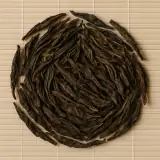 Yiwu Mountain Raw
Yiwu Mountain, Yunnan
90°C
0:45
36 mg
Yiwu Mountain Raw
Yiwu Mountain, Yunnan
90°C
0:45
36 mg
-
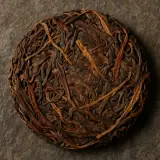 Bulang Mountain Raw
Bulang Mountain, Yunnan
90°C
0:40
40 mg
Bulang Mountain Raw
Bulang Mountain, Yunnan
90°C
0:40
40 mg
-
 Moonlight White Pu-erh
Yunnan, China
85°C
0:50
30 mg
Moonlight White Pu-erh
Yunnan, China
85°C
0:50
30 mg
-
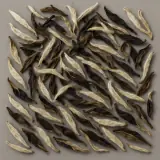 Yue Guang Bai (White Moonlight)
Yunnan, China
85°C
1:00
28 mg
Yue Guang Bai (White Moonlight)
Yunnan, China
85°C
1:00
28 mg
-
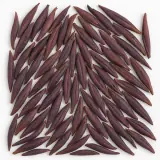 Purple Bud Pu-erh
Yunnan, China
90°C
0:40
37 mg
Purple Bud Pu-erh
Yunnan, China
90°C
0:40
37 mg
-
 Bamboo Pu-erh
Yunnan, China
100°C
0:55
32 mg
Bamboo Pu-erh
Yunnan, China
100°C
0:55
32 mg
Other tea types
Keep reading
Teafinity times every infusion for you
The app loads this tea's exact schedule, rings even in your pocket, and logs every session — free on iPhone and Android.

