Pu-erh tea · Yunnan, China
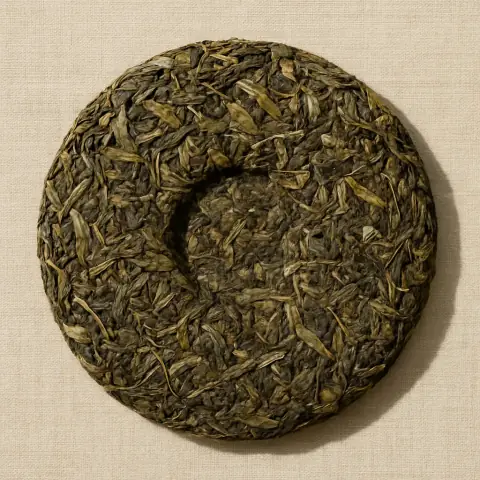
Sheng Pu-erh (Raw)
A 250 ml cup of Sheng Pu-erh (Raw) has about 35 mg of caffeine.
Young raw pu-erh with bright, slightly astringent character that mellows with age.
 How to brew
| Leaf | Water | Temperature | Time | Infusions | |
|---|---|---|---|---|---|
| Western | 2.5 g | 250 ml | 90°C / 195°F | 45 s | 4 |
| Gong Fu | 5 g | 100 ml | 90°C / 195°F | 10 s + | 12 |
How to brew Sheng Pu-erh (Raw)
- Heat water to 90 °C (195 °F).
- Add 2.5 g of Sheng Pu-erh (Raw) for 250 ml of water.
- Steep for 45 s, then strain.
- Re-steep the same leaves up to 3 more times.
About this tea
Sheng (raw or green) Pu-erh represents the original form of pu-erh tea, with a history stretching back over 1,700 years to the Tang Dynasty. Unlike shou pu-erh's accelerated fermentation, sheng undergoes slow, natural microbial transformation over years or decades, making it the wine of the tea world - improving with age under proper storage conditions.
Production follows traditional methods: large-leaf tea from ancient trees in Yunnan is withered, pan-fired to halt oxidation (but at lower temperatures than green tea, allowing enzymes to remain active), rolled, and sun-dried into maocha. This is then often compressed into various shapes - cakes, bricks, or tuos - using stone presses. The compression aids aging by creating micro-environments within the tea. Young sheng from ancient trees in famous regions like Bulang, Yiwu, or Lao Banzhang command premium prices.
The flavor profile evolves dramatically with age: young sheng (1-5 years) is bright, astringent, and powerful with notes of hay, honey, and stone fruits, sometimes with pleasant bitterness that transforms to sweetness ('hui gan'). As it ages, astringency mellows into smooth complexity - 10-year sheng shows darker fruit notes, 20-year develops leather and herbs, while 30+ year vintage sheng achieves transcendent complexity with camphor, traditional medicine, and profound sweetness. The liquor progresses from pale yellow to deep amber.
Brewing recommendations: Young sheng requires careful brewing - use 1 teaspoon (4g) per 250ml cup with water at 90°C (195°F), steeping for 45 seconds to manage astringency. For gongfu style, use 5-7g per 100ml with short steeps (10-20 seconds). Aged sheng can handle boiling water. High-quality sheng can yield 15-25 infusions. Rinse once before drinking.
Best appreciated through gongfu brewing to experience its complexity. Young sheng pairs with light foods and can refresh the palate, while aged sheng is meditative, best enjoyed alone or with nuts and dried fruits. Storage is crucial - proper humidity and ventilation create better aging. Collecting and aging sheng pu-erh has become an investment strategy in Asia, with vintage cakes selling for thousands of dollars.
Caffeine, in context
Per 250 ml cup, brewed as directed.
Flavor profile
- fresh
- slightly astringent
- vegetal
- honey notes
- antioxidants
- energy
- mental clarity
- metabolism
Pairs with
- light meals
- fresh fruit
- honey
- Asian cuisine
Similar teas

Frequently asked questions
Can you re-steep Sheng Pu-erh (Raw)?
Yes. Sheng Pu-erh (Raw) gives 12 good infusions. Start at 10 seconds and give each later round a little longer.
How much caffeine is in Sheng Pu-erh (Raw)?
35 mg per 250 ml cup. Medium caffeine.
What water temperature does Sheng Pu-erh (Raw) need?
90°C / 195°F. Hotter water pulls out bitterness; cooler water under-extracts the leaf.
Every infusion gets its own clock
Teafinity keeps the temperature, leaf ratio and steeping schedule ready, rings while the phone is in your pocket, and logs the session. 30 teas are free on iPhone and Android.

