Herbal tea · Mediterranean
Fennel
Fennel is caffeine-free.
Sweet, licorice-flavored seeds traditionally used for digestion and fresh breath.
 How to brew
| Leaf | Water | Temperature | Time | Infusions | |
|---|---|---|---|---|---|
| Western | 2 g | 250 ml | 100°C / 212°F | 10 min | 2 |
How to brew Fennel
- Heat water to 100 °C (212 °F).
- Add 2 g of Fennel for 250 ml of water.
- Steep for 10 min, then strain.
- Re-steep the same leaves once more.
About this tea
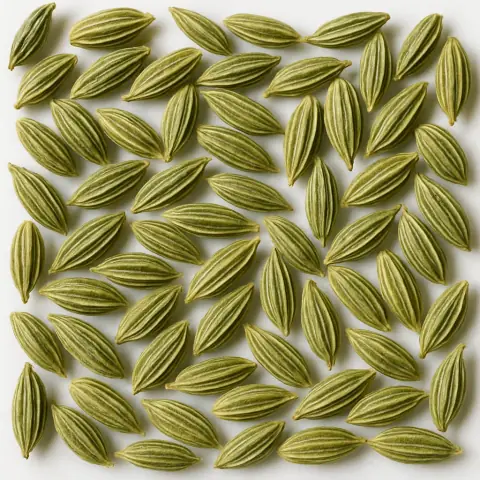
Fennel (Foeniculum vulgare), the sweet herb of Mediterranean coasts, has been chewed and brewed since ancient times. Romans thought it gave strength and longevity to gladiators. Indian restaurants offer sugar-coated fennel seeds (saunf) at the end of a meal. Medieval Europeans hung fennel over doors to ward off evil spirits. This versatile plant offers edible bulbs, fronds, and seeds, with seeds most used for tea.
The seeds develop from yellow umbrella-like flowers, harvested when turning from green to brown. Proper drying preserves volatile oils including anethole (also in anise and licorice), creating the characteristic sweet flavor. Quality fennel seeds show greenish-brown color with strong sweet aroma. Indian and Egyptian fennel are particularly prized. Crushing before use releases more flavor.
The flavor profile is sweetly aromatic: dominant licorice/anise notes with subtle warmth and slight bitterness. Unlike harsh star anise, fennel offers gentle sweetness with hints of mint and camphor. The flavor intensifies with chewing, leaving a sweet aftertaste. Some varieties have more bitter or peppery notes. The pale yellow-green liquor releases sweet, inviting aroma.
Brewing recommendations: Use 1 teaspoon (2g) crushed seeds per 250ml cup. Pour boiling water (100°C/212°F) and steep 10 minutes, covered to preserve oils. Crushing seeds immediately before brewing maximizes flavor. Traditional Indian preparation involves dry-roasting seeds first. Combines well with ginger, cardamom, or mint. Natural sweetness rarely needs sugar.
A traditional end-of-meal infusion across the Mediterranean and South Asia. The sweet anise character freshens the palate naturally. Safe for children and during pregnancy in normal amounts. Best after heavy meals. In India, chewed directly after eating. Pairs with rich, fatty foods. The sweet flavor makes it popular in digestive tea blends. Also used in cooking, especially with fish and pork.
Caffeine, in context
Per 250 ml cup, brewed as directed.
Flavor profile
- sweet
- anise
- warm
- aromatic
- digestion
- bloating relief
- fresh breath
Pairs with
- after Indian meals
- digestive biscuits
- cheese
- olives
Similar teas


Frequently asked questions
Can you re-steep Fennel?
Yes. Fennel gives 2 good infusions. Start at 600 seconds and give each later round a little longer.
How much caffeine is in Fennel?
0 mg per 250 ml cup. Caffeine-free.
What water temperature does Fennel need?
100°C / 212°F. Hotter water pulls out bitterness; cooler water under-extracts the leaf.
Every infusion gets its own clock
Teafinity keeps the temperature, leaf ratio and steeping schedule ready, rings while the phone is in your pocket, and logs the session. 30 teas are free on iPhone and Android.

