Herbal tea · North America
Echinacea
Purple coneflower herb traditionally used for immune support with earthy, slightly spicy flavor.

 How to brew
| Leaf | Water | Temperature | Time | Infusions | |
|---|---|---|---|---|---|
| Western | 2 g | 250 ml | 100°C / 212°F | 15 min | 1 |
About this tea
Echinacea, the purple coneflower native to North American prairies, served as the Plains Indians' primary medicine for centuries. The Cheyenne, Comanche, and other tribes used different species for everything from snake bites to infections. German growers popularised it in the 1930s, and it became one of the world's most widely cultivated herbal plants. Three species are used medicinally: E. purpurea (most common), E. angustifolia, and E. pallida.
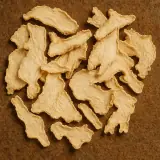
Both roots and aerial parts contain active compounds, though roots are considered more potent. The alkylamides create the characteristic tongue-tingling sensation - a sign of quality. Harvesting occurs after 3-4 years growth when compound levels peak. Organic cultivation is crucial as the deep taproots absorb everything from soil. Quality echinacea shows tan-brown root pieces or green-brown leaf material with minimal stems.
The flavor profile is distinctly medicinal: earthy and slightly bitter with a peculiar numbing quality. The initial taste resembles mild black tea, followed by increasing tongue tingling. This sensation, while strange, indicates potent alkylamides. Some detect floral notes from the flower parts. The amber-brown liquor has medium body with an herbaceous aroma.
Brewing recommendations: Use 1 teaspoon (2g) dried root or 2 teaspoons leaf/flower per 250ml cup. Simmer roots for 15 minutes or steep aerial parts with boiling water (100°C/212°F). The tingling increases with longer extraction. Often combined with elderberry, ginger, or honey to improve flavor. Best enjoyed freshly brewed.
Traditionally taken in 'pulses' - one week on, one week off - rather than continuously. Not for daily, long-term use. Avoid with autoimmune conditions. Pairs with other robust herbs and warming spices. The strong flavor means it's often preferred in tincture form, though tea allows larger doses of beneficial polysaccharides.
Caffeine, in context
Per 250 ml cup, brewed as directed.
Flavor profile
- earthy
- slightly spicy
- herbaceous
- medicinal
Health benefits
- immune support
- anti-inflammatory
- cold prevention
- wellness
Pairs wonderfully with
- honey
- lemon
- ginger blend
- throat lozenges
You might also enjoy


Frequently asked questions
Can you re-steep Echinacea?
No — Echinacea gives one infusion. Use fresh leaf for the next cup.
How much caffeine is in Echinacea?
0 mg per 250 ml cup — Caffeine-free.
What water temperature does Echinacea need?
100°C / 212°F. Hotter water pulls out bitterness; cooler water under-extracts the leaf.
Teafinity times every infusion for you
The app loads this tea's exact schedule, rings even in your pocket, and logs every session — free on iPhone and Android.

